CASE STUDY 2 : HAZARD IDENTIFICATION, RISK ASSESSMENT AND RISK CONTROL
QUESTION 1
1- IDENTIFY THE TYPE OF HAZARD.
-A chemical hazard
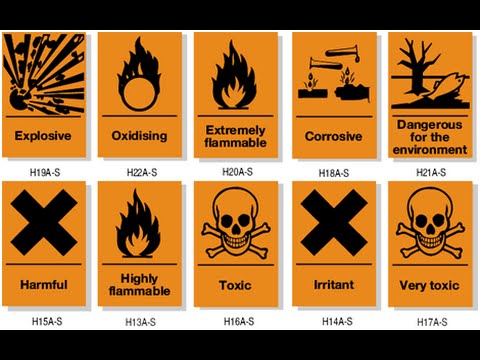

1- IDENTIFY THE TYPE OF HAZARD.
-A chemical hazard
2- STEPS TO PREVENT THE INCIDENT FROM HAPPEN IN THE FUTURE.
-The man should have be more careful since there is a girl student with him. Besides that, the man should have advice to wear safety protection equipment.
3- PERSONAL PROTECTIVE EQUIPMENT THAT PROVIDED TO THE STUDENTS BEFORE THEY CARRIED OUT THE EXPERIMENT.
- Always wear gloves so hands are protected
- Foot and eye protection
- Protective hearing devices such as Earplugs
- Student have to wear full body suit
- Wear Spectacle to avoid any liquid hitting the eyes
QUESTION 2
1- IDENTIFY THE TYPE OF HAZARD
- Physical hazard
2- FIVE (5) SOLUTIONS TO REDUCE NOISE AT THE WORKPLACE
1. Enforce ear plug use
If you have notice that some of your employees are simply not wearing their ear plugs then something needs to be done. Call a meeting to explain the importance of wearing ear plugs and let your workers know that there will be consequences if you catch them without there ear plugs in. If they fail to follow instructions don't be afraid to reprimand them.
2. Isolate noisy equipment
If you have noisy equipment place it inside of a closed room and away from quieter areas. This will reduce the noise level for most workers and only those who work with the noisy machines will be required to wear ear protection. This will also make the work environment less stressful which will help reduce on the job accidents.
3. Utilize engineering controls
Machines that vibrate are often the cause of noise. A good way to cut down on noise is to isolate the machinery with anti-vibration mounts. This will help reduce noise and help prolong the life of your equipment as well. Also, use sound proofing panels whenever possible especially in areas of increase noise levels.
4. Use machine enclosures
Many hydraulic shearing machine manufacturers also sell machine enclosures that will go around your equipment. This will drastically reduce the noise and help protect your employees from hearing loss. Other types of equipment can also benefit from enclosures and can be purchased from the aftermarket or direct from the manufactures.
5. Limit the time spent in loud areas
Cutting down the time your employees spend in noisy areas will help reduce the risk of hearing loss. Create a time schedule so that each worker only spends a limited amount of time in these areas. This will keep your workers safe and increase productivity at the same time. Cutting exposure in half will reduce exposure by at least 3 dB.


Comments
Post a Comment